
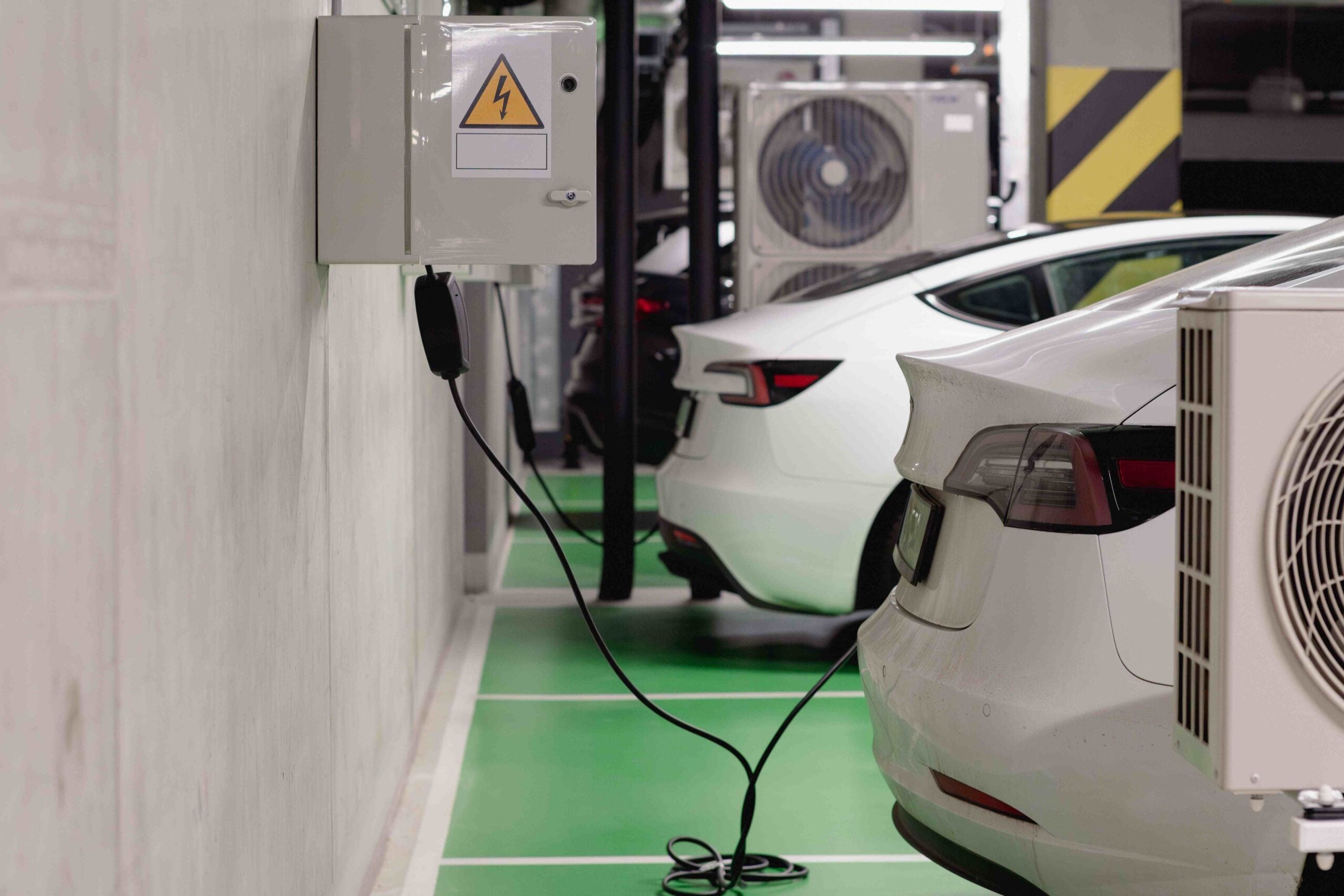
We appraised a Kia EV6 at $28,000. MMR was $27,500. The car looked clean, drove well and showed no warning lights.
The wholesale bid came back at $25,500. We missed MMR by $2,000 and our appraisal by $2,500.
The battery report explained the weak bid. State of health was 82%. The available history showed heavy DC fast-charging use. Battery warranty coverage had two months remaining.
Over 60 days, we appraised 40 used EVs from Tesla, Ford, Hyundai and Kia. Twelve carried an average $2,000 appraisal miss tied to battery condition, warranty uncertainty, charging performance or missing documentation.
A clean dash does not prove a healthy battery. These seven questions belong on every used-EV appraisal sheet.
The Five-Minute Used-EV Battery Screen
| # | Battery Question | Check or Tool | What the $2,000 Miss Looks Like | Flags Found in 40 EVs | Appraisal Fix | Gross Protected |
| 1 | What is the verified battery SOH? | Compatible scan tool or independent battery report | EV6 at 82% SOH gets valued against healthier comps | 8 of 40, 20% | Get SOH before the offer | $1,500 to $2,500 in our sample |
| 2 | What does the charging history show? | Vehicle data, owner interview and available charging records | Heavy fast-charging history adds uncertainty without a clean battery report | 6 of 40, 15% | Record home, workplace and DC charging use | $800 to $1,200 exposure |
| 3 | How much battery warranty remains? | VIN, in-service date, mileage and OEM terms | Two months of coverage left weakens buyer confidence | 7 of 40, 18% | Verify months and miles remaining | About $1,000 in observed value risk |
| 4 | Has the pack or a module been repaired? | Service history, recall search and repair invoice | Undocumented battery work creates wholesale questions | 4 of 40, 10% | Require repair records and warranty status | Up to $500 in our sample |
| 5 | Does tested range match battery condition? | Full charge, battery report and controlled road test | 200 displayed miles versus 260 when new needs investigation | 9 of 40, 23% | Compare under similar temperature and driving conditions | Up to $1,200 exposure |
| 6 | Does DC charging follow the expected curve? | Fast-charge session with temperature and state of charge recorded | Charging falls to 50 kW early under proper conditions | 3 of 40, 8% | Run a secondary charge test before retail commitment | Up to $1,500 exposure |
| 7 | Are battery or thermal codes stored? | EV-capable diagnostic scan | Cooling, isolation or battery-management fault weakens bids | 5 of 40, 13% | Scan active, pending and history codes | Up to $2,000 exposure |
| Total | Seven appraisal questions | Five-minute screen plus conditional testing | Average miss among 12 flagged units was $2,000 | 12 of 40, 30% | Verify before final offer | $600 average exposure across all 40 EVs |
The findings overlap. One EV might have low SOH, limited warranty and stored thermal codes. Do not add every value adjustment. Price the full condition against comparable vehicles with verified battery reports.
The five-minute lane check identifies risk. A full charge or DC charging test takes longer and belongs in the secondary inspection before retail certification or final appraisal approval.
#1 and #2: Battery SOH and Charging History Exposed the Largest Misses
Battery state of health estimates remaining usable capacity compared with the battery’s measured baseline. The dashboard range display does not provide the same answer.
Range changes with temperature, recent driving, cabin climate use, tire pressure, software and driving speed. A dashboard showing 220 miles might reflect recent highway driving rather than battery damage.
Use a compatible EV scan tool or an independent battery report. Record the provider, test date, odometer, state of charge and reported SOH. Eight of our 40 vehicles lacked a proper SOH check during the first appraisal.
Our EV6 reported 82% SOH. A competing unit with similar miles reported 95%. The healthier vehicle drew stronger bids. The difference reached $1,500 to $2,500 across comparable wholesale offers in our sample.
Do not apply one universal cutoff across every model. Battery chemistry, age, mileage, warranty terms and local demand affect value. An 89% reading on an older, high-mileage EV deserves different treatment from an 89% reading on a two-year-old unit.
Question two covers charging history.
Six vehicles showed signs of heavy DC fast-charging use or owner-reported reliance on public fast chargers. Charging frequency alone does not prove damage. Battery temperature management, charge limits, climate and pack design matter.
Still, heavy fast-charging use raises a follow-up question. A vehicle with more than 150 reported fast-charge sessions needs a verified SOH report and clean thermal scan before you hold book value.
Ask the owner:
“Where did you charge most often, home, work or public fast charger?”
Then ask:
“What charge limit did you use every day, 80%, 90% or 100%?”
Record the answers. Do not turn an owner’s estimate into a verified battery fact.
Action: Require a dated SOH report. Use charging history as a reason for deeper testing, not as automatic proof of degradation.
#3 and #4: Warranty and Battery Repair History Change the Bid
Seven vehicles had less battery warranty remaining than the appraiser expected.
Do not assume every used EV has eight years or 100,000 miles of battery coverage. Terms differ by manufacturer, model, trim, market and type of failure. Coverage also depends on the original in-service date, not the model year printed on the windshield.
Check four items:
- Original in-service date
- Current mileage
- Battery warranty expiration date
- Capacity-loss standard listed by the manufacturer
A 2022 EV placed in service during 2021 has less remaining time than a late 2022 delivery. A high-mileage unit might reach the mileage limit years before the time limit.
Our EV6 had two months of verified coverage remaining. Buyers and wholesale bidders priced the unit as an out-of-warranty risk.
Four units also had battery repair or replacement history.
A documented replacement pack with transferable coverage might support value. An undocumented module repair creates the opposite result. The appraisal needs the repair date, part number, repair scope, remaining warranty and invoice.
Do not deduct $500 only because a battery was replaced. Deduct for missing records, unresolved recalls, unclear warranty status or poor post-repair test results.
Action: Run the VIN through the OEM warranty source. Match recall completion and battery work against the service invoice.
#5 and #6: Range and Charging Curve Need Controlled Tests
Nine of 40 EVs showed a large gap between expected range and the number displayed after charging.
One unit displayed 200 miles at full charge against a 260-mile original rating. The 23% difference looked like battery degradation. A range display alone was not enough to reach such a conclusion.
Check the test conditions:
- Outside temperature
- Battery temperature
- Recent driving speed
- Climate-control use
- Wheel and tire setup
- Software version
- Battery report result
Compare the car against the correct original trim and battery size. An all-wheel-drive model often carries a different rating from a rear-wheel-drive model. Larger wheels also change rated range.
Use the range gap as a screening flag. Base the appraisal adjustment on measured battery condition, diagnostic results and real market bids.
Three units also charged below the expected rate during a DC session.
Charging speed changes during the session. Battery temperature, charger output, starting charge level and preconditioning all affect power. A car arriving with a cold battery at 60% charge will not match a warmed vehicle starting near 10%.
For a useful test, record the starting charge, battery temperature, charger rating and peak power. Watch the curve instead of one moment on the charger.
An early drop to 50 kW under proper test conditions deserves further diagnosis. A 10-minute session identifies a flag. It does not diagnose the pack by itself.
Action: Run the full-charge check during recon. Reserve the DC test for units with weak SOH, charging complaints or unexplained range loss.
#7: Battery and Thermal Codes Turn a Retail Unit Into a Manual Review
Five vehicles stored battery or thermal-system codes. None showed a permanent warning light during the first walkaround.
The scan found battery-management, cooling or charging-system history. One vehicle received a wholesale bid about $2,000 below the clean-condition expectation.
Scan more than the generic powertrain module. Your tool needs access to the high-voltage battery, battery-management system, onboard charger and thermal controls.
Review:
- Active codes
- Pending codes
- Stored history
- Isolation faults
- Temperature differences between modules
- Cooling-system performance
- Charging interruptions
Do not clear codes before diagnosis. Clearing history destroys useful appraisal evidence and delays the repair decision.
A thermal code does not always mean pack failure. A cooling pump, valve, sensor or software issue might create the fault. The UCM still needs a repair estimate before approving the trade value.
Action: Any high-voltage, isolation or thermal code moves the unit to manual appraisal review.
Appraisal Math: A 30% Miss Rate Equals $600 per EV
We appraised 40 EVs.
Twelve had an average $2,000 value miss.
12 units × $2,000 = $24,000 in appraisal exposure.
$24,000 ÷ 40 appraisals = $600 average exposure per EV.
At 10 used-EV appraisals per month:
10 EVs × $600 = $6,000 monthly exposure.
The seven-question process does not guarantee a $2,000 gain on every vehicle. The audit showed a $2,000 average miss among the 12 flagged units. The checklist gives your desk the evidence needed to adjust the offer, order a deeper inspection or pass.
Your appraisal sheet needs these fields:
Battery SOH and report date
Primary charging method
Battery warranty end date and mileage limit
Pack or module repair history
Full-charge range under recorded conditions
DC charging test result when needed
Active, pending and stored battery codes
Put the sheet beside the scan tool. No verified battery data means no final used-EV offer.
Related: 6 Trade-In Acquisition Trends Adding 12 Used Units
Related: 8 Recon Bottlenecks Costing $175 Per Unit
Sponsored by Gas.net — powering dealership growth through intelligent data.
Alt text: “Gas.net connects franchise dealers with integrated analytics and marketing tools.”