
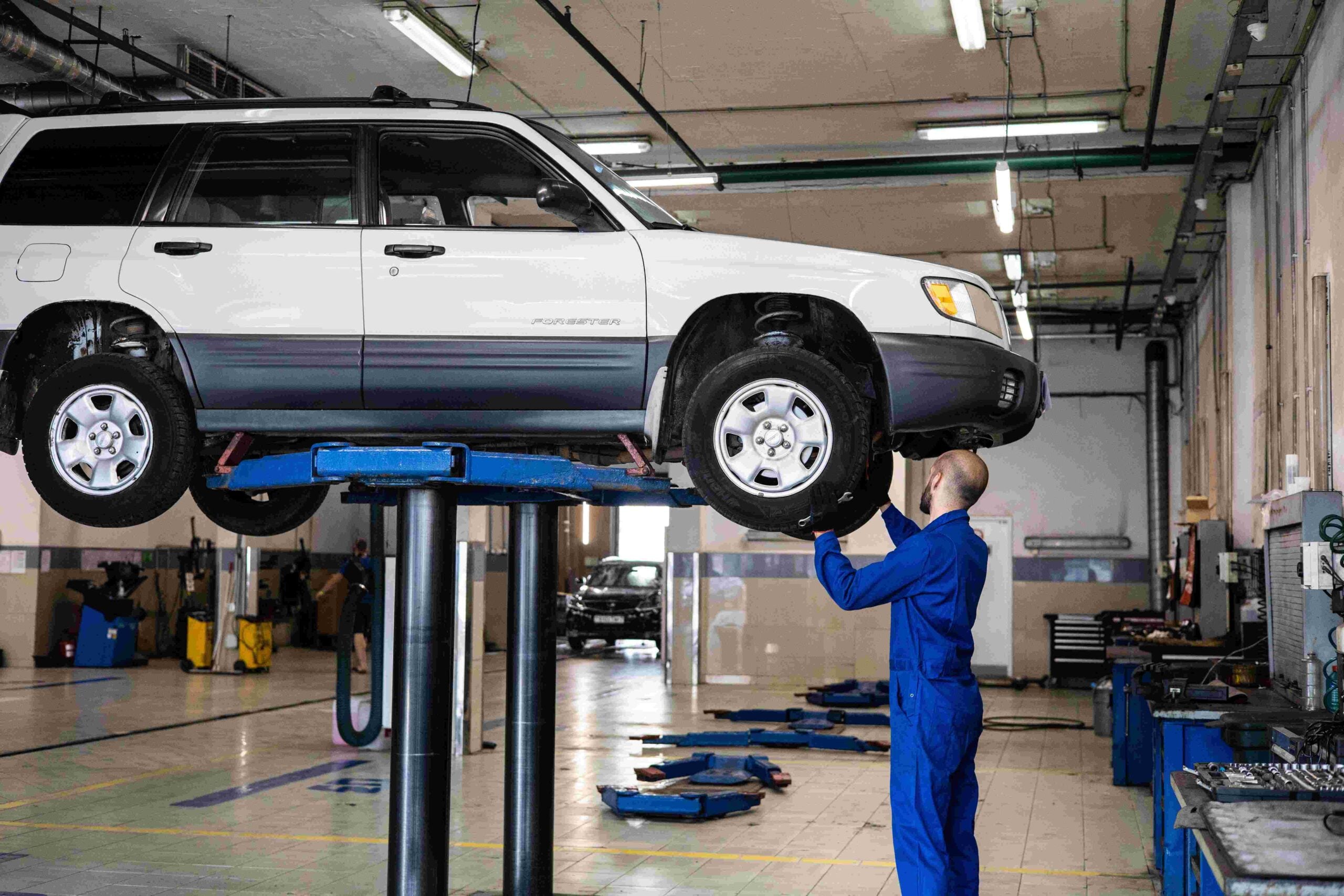
Used unit traded Monday. Front line following Monday. Six days in recon against a three-day target.
Three extra days at $35 in daily holding cost equals $105. Add two days of delayed selling opportunity, and the loss reaches about $175 per unit. At 20 units a month, slow recon costs $3,500. Annual loss reaches $42,000.
We timed 60 used units across two stores for 30 days. Average acquisition-to-front-line time was 6.2 days. The same eight bottlenecks appeared across both stores.
None involved a major engine job. Most delays came from waiting for an inspection, approval, common part, detail bay or photo slot.
The $175 Recon Bottleneck Audit
| # | Recon Bottleneck, 60 Units Timed | Average Delay | Holding-Cost Exposure | Units Affected | Target | How the Fix Protects $175 |
| 1 | Intake inspection waits for a technician | 22 hours | $32 | 42 of 60, 70% | Start within 4 hours | Dedicated morning capacity saves 18 hours |
| 2 | Common parts or glass arrive late | 38 hours | $55 | 28 of 60, 47% | Order during intake | Stock fast parts and set glass vendor response times |
| 3 | Detail queue backs up behind two bays | 32 hours | $47 | 35 of 60, 58% | Detail within 8 hours | Third bay, evening shift or overflow partner |
| 4 | Photo booth becomes a second queue | 16 hours | $23 | 40 of 60, 67% | Photos within 2 hours | Use a second photo zone and upload from the lot |
| 5 | Customer-pay work pushes used cars back | 20 hours | $29 | 30 of 60, 50% | Protected 8 a.m. to noon block | Assign used-car capacity before the day fills |
| 6 | Estimate waits for UCM approval | 10 hours | $15 | 25 of 60, 42% | Approval within 2 hours | Auto-approve routine work under $500 |
| 7 | Keys, fuel and accessories wait until the end | 5 hours | $7 | 18 of 60, 30% | Complete during intake | Key board, fuel standard and stocked accessory kits |
| 8 | No shared recon tracking board | System-wide | $175 total exposure | 60 of 60, 100% | Every unit has an owner and deadline | Daily board cuts average cycle from 6.2 to 3 days |
| Total | Eight overlapping bottlenecks | 6.2 days versus 3 days | $175 per unit | 60-unit sample | 3-day cycle | 3.2 days removed |
Bottleneck costs overlap. Do not add every row and call the sum a unit-level loss. Several delays hit the same vehicle during the same recon cycle. The store-level calculation uses total cycle time, not the sum of all queue estimates.
#1 and #2: Intake Plus Parts Cost $93 Before Work Starts
Our first clock started when the trade entered inventory. The inspection clock stopped when a technician opened the work order.
Forty-two of 60 units waited for an intake inspection. Average delay was 22 hours. The vehicle was on the property, funded and aging, yet nobody had written the first estimate.
Service blamed workload. Used blamed service. Neither department owned the first four hours.
A dedicated used-car technician solves part of the problem. A protected capacity block works for stores without enough volume for a dedicated position. Reserve 8 a.m. to noon for intake inspections, quick safety checks and recon estimates.
The four-hour target matters. Saving 18 hours protects roughly $26 in holding cost before considering lost traffic or delayed sales.
Parts created the next queue. Twenty-eight units waited an average of 38 hours for common repair items or glass. At $35 per day, those 38 hours represent about $55 in carrying exposure.
Build your stocking list from the prior 60 days of repair orders. Start with high-use items:
- Wiper blades
- Bulbs and filters
- Batteries
- Common tire sizes
- Bumper clips and fasteners
- Key batteries
- Frequently installed accessory kits
Glass needs a vendor response standard. Require same-day inspection and next-day installation for common windshields. Send the VIN and glass options during intake, not after mechanical work ends.
Action: Give every incoming used unit an inspection deadline. Order parts from the first estimate before the car leaves the technician’s bay.
#3 and #4: Detail and Photos Add Another 48 Hours
Both audited stores had two detail bays. Each store processed close to 20 used units a month, plus sold units, customer vehicles and delivery cleanups.
Used inventory sat behind work with louder internal customers.
Thirty-five of 60 units waited an average of 32 hours for detail. The detail team was busy. The schedule was the problem.
A third permanent bay is one answer. An evening shift or overflow detail partner costs less for stores with uneven volume. Set capacity by weekly arrivals. If 10 units arrive during a three-day auction cycle, staffing needs to match the surge.
The target should be eight hours from mechanical completion to detail completion. A vehicle should never finish mechanical work Friday afternoon and wait until Monday for a wash.
Photos caused a second queue after detail.
Forty of 60 units waited an average of 16 hours for the photo booth. One store had a clean booth, fixed lighting and a rotating platform. The setup looked good. Throughput was poor.
Create a backup photo zone with a plain background and consistent light. Let the merchandising employee shoot from the lot when the booth is occupied. Temporary photos also work for a clean, safe unit awaiting final cosmetic work. Replace them after detail.
Do not publish photos showing tools, loose trim, exposed wiring or unfinished repairs.
Your photo deadline should sit on the recon board. “Mechanical complete” does not mean “front-line ready.” The clock stops when price, photos and vehicle details are live.
Action: Set an eight-hour detail target and a two-hour photo target. Measure both from time stamps, not memory.
#5 and #6: Shop Priority and Slow Approval Add 30 Hours
Customer-pay repair orders produce visible labor gross. Used-car recon looks like internal work. When the shop fills, internal units move to the back.
Thirty of 60 units lost an average of 20 hours from priority changes.
Do not ask your service manager to neglect customer work. Allocate used-car capacity before the schedule fills. A protected morning block gives used inventory a predictable lane without disrupting afternoon customer appointments.
Post the rule where both departments see it:
Used intake inspections from 8 a.m. to noon.
Open recon work stays with the assigned technician.
A service manager approves any priority change.
Approval delays were easier to fix.
Twenty-five units waited an average of 10 hours for the UCM to approve an estimate. Most requests involved routine work under $500. The manager was buying cars, appraising trades or working deals, so the vehicle sat.
Give service written authority to approve routine recon up to $500. Require a text alert, then keep the work moving.
Keep safety, structural, emissions, ADAS, title, engine and transmission issues outside the automatic approval rule. Those repairs need direct review, regardless of dollar amount.
For estimates above the threshold, send one message with four fields:
- Stock number
- Repair
- Cost
- Deadline
A photo should accompany damage or cosmetic work. Long email chains waste half a day.
Action: Protect used-car shop capacity and set a two-hour approval deadline.
#7 and #8: Missing Keys and No Board Hide the Full $175
Keys, fuel and installed accessories looked small on individual work orders. Across 60 units, those loose tasks created repeated stops.
Eighteen units lost about five hours each because someone searched for a second key, drove for fuel or waited for an accessory kit.
Assign one key location when the vehicle enters inventory. Tag both keys with the stock number. Put the unit at the store’s fuel standard during intake. Stock frequently installed theft-recovery and accessory hardware near the recon lane.
The largest failure sat above every department. Neither store had one shared recon board.
Service tracked repair orders. Detail kept a paper list. The photo employee worked from texts. The UCM relied on memory and walked the lot looking for missing units.
Every vehicle needs one row with these time stamps:
- Acquisition time
- Inspection start
- Estimate sent
- Approval received
- Parts ordered
- Mechanical complete
- Detail complete
- Photos live
- Front-line ready
Add an owner and deadline beside each stage. Red marks any stage past target.
Hold a 10-minute huddle at 9 a.m. The UCM, service dispatcher, parts representative, detail lead and photo owner attend. Review only red units and today’s incoming vehicles.
No speeches. No recap of completed work. Assign the next action, owner and completion time.
Action: Put all 60 units through one board. If a car lacks an owner or deadline, the delay already started.
Recon Math: 3.2 Days Saved Equals $175 per Unit
The audited stores averaged 6.2 days from acquisition to front-line status. The operating target was three days.
6.2 days minus 3 days equals 3.2 excess days.
3.2 days × $35 daily holding cost = $112 per unit.
The stores assigned another $63 per unit to delayed sales opportunity, based on historical turn and daily gross contribution.
$112 holding cost + $63 sales opportunity = $175 per unit.
At 20 used units per month:
20 units × $175 = $3,500 per month.
$3,500 × 12 months = $42,000 per year.
Track the full cycle weekly. Average time alone hides the unit stuck for 11 days. Your board should show median cycle time, average cycle time, units over three days and hours spent in each stage.
A three-day recon target needs specific limits:
- Intake inspection within four hours
- Estimate approval within two hours
- Parts ordered during intake
- Mechanical work completed within 24 hours
- Detail completed within eight hours
- Photos and pricing live within two hours
- No unit left without an owner or deadline
The service department does not own the entire recon delay. Neither does used cars. The process crosses five teams, so one shared clock must follow the vehicle from trade appraisal to live VDP.
Related: 6 Trade-In Acquisition Trends Adding 12 Units a Month
Sponsored by Gas.net — powering dealership growth through intelligent data.
Alt text: “Gas.net connects franchise dealers with integrated analytics and marketing tools.”